The Allure of Chance
The thrill of chance is a significant driving force behind why individuals are drawn to gambling. The unpredictable nature of games fuels an adrenaline rush that many players find intoxicating. This unpredictability taps into our innate desire for excitement and risk-taking, leading some to explore options like rocket casino real money that offer heightened experiences. Players often experience powerful emotions tied to the potential for instant gratification or loss, making each game a psychological rollercoaster. The anticipation of what could happen next, whether a win or a loss, creates a unique environment that many find irresistible.
Moreover, the allure of large payouts creates a compelling narrative around the idea of striking it rich. People are often captivated by stories of others who have changed their lives overnight due to a winning streak. This aspirational aspect can overshadow the statistical reality that frequent wins are typically less common. As the brain responds to the thrill of potential reward, it can lead to an unhealthy chase for wins, further solidifying the gambling habit. The dream of a life transformed by a lucky break keeps players returning to the gaming table, despite the odds.
Cognitive biases, such as the illusion of control, also play a crucial role in gambling behavior. Many players believe they can influence the outcome, whether through strategies or superstitions. This perception can further entice people to engage, as they feel empowered by their choices, despite the inherent randomness of gambling. The psychological interplay between chance, control, and excitement keeps many individuals returning to the gaming table, as they often overlook the inherent risks involved in pursuit of that elusive win.
The Connection to Reward Systems
The brain’s reward system significantly influences gambling behavior. When individuals gamble, their brains release dopamine, a neurotransmitter associated with pleasure and reward. This release can create a feeling of euphoria, particularly when the player experiences a win. Over time, frequent exposure to these dopamine spikes can lead to a reinforcement loop, where the desire to gamble becomes intrinsically linked to the positive feelings associated with winning. The brain’s wiring for reward-seeking behavior is powerful and can overshadow the negative consequences of gambling.
However, the same reward system that supports occasional gambling enjoyment can lead to compulsive behavior. As players chase the high of winning, they may ignore the financial consequences and emotional toll associated with losing. The brain’s wiring for reward-seeking behavior can create a cycle that is difficult to break, where the chase for the next win overshadows the reality of losses and debts incurred. This cycle can lead to problematic gambling behaviors that affect personal and financial well-being.

Additionally, the social and communal aspects of gambling contribute to its appeal. Many people enjoy gambling as a social activity, where they can connect with friends or meet new individuals. This social reinforcement can further fuel gambling behavior, as the shared experience becomes intertwined with the emotional rewards of winning. The combination of biological and social factors creates a complex web that explains why individuals are compelled to gamble, as they often seek not only the thrill of winning but also the camaraderie of the gambling community.
Escapism and Emotional Factors
Gambling often serves as a form of escapism for many individuals, allowing them to temporarily step away from life’s stresses and challenges. In times of personal crisis or emotional distress, individuals might turn to gambling as an outlet. This behavior can provide a brief distraction, shifting focus away from negative feelings. However, while it may offer short-term relief, it can inadvertently lead to long-term problems, compounding stress and creating a vicious cycle that is difficult to escape.
Emotional factors play a significant role in gambling decisions. People often gamble to cope with feelings of loneliness, anxiety, or depression. The ambient environment in gambling venues is designed to facilitate excitement and engagement, which can heighten emotional responses. Those in a negative emotional state may find themselves drawn to the thrilling atmosphere, seeking comfort in the hope of a big win that could change their lives. This dynamic can make gambling an appealing escape, even as it presents significant risks.
This escapism can also manifest as a form of fantasy, where gamblers envision a life transformed by financial success. The desire to escape reality through gambling can lead individuals to overlook the associated risks, as they become consumed by the chase of their dreams. Awareness and understanding of these emotional triggers are vital to addressing gambling habits and fostering healthier coping strategies. By recognizing the allure of gambling as a means of escape, individuals can begin to seek alternative methods of coping with stress and emotional challenges.
The Role of Marketing and Environment
Marketing strategies employed by gambling establishments are intricately designed to attract and retain players. From vibrant colors to the sounds of winning, every aspect of the gaming environment is tailored to create an immersive experience. The use of complimentary services, such as free drinks and entertainment, further entices individuals to linger and play longer, making it easy to lose track of time and money spent. The sensory stimulation provided by these venues keeps players engaged, often leading to extended gambling sessions.
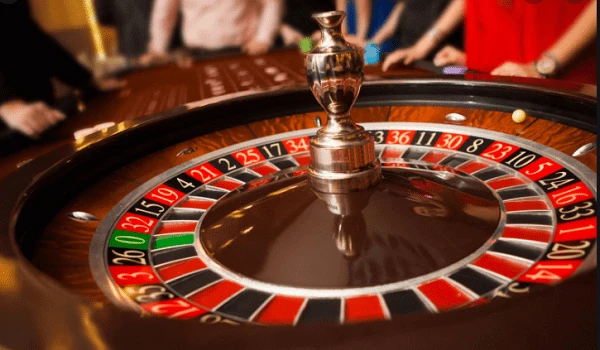
Moreover, targeted promotions and loyalty programs are used to foster a sense of belonging among players. These incentives can reinforce gambling behavior, as players may feel compelled to take advantage of exclusive offers, further engaging them in the gaming environment. This marketing approach not only attracts new customers but can also deepen the loyalty of existing ones, creating a community that thrives on shared experiences and group dynamics. The social aspect of gambling is enhanced through these marketing efforts, making it more appealing to participants.
The physical layout of gaming venues is strategically crafted to keep players engaged. The absence of clocks and windows can manipulate the perception of time, leading individuals to gamble longer than intended. This psychological manipulation, paired with enticing marketing tactics, contributes to the ongoing cycle of gambling behavior, as individuals may find it difficult to leave even when they are losing. Understanding these aspects can empower individuals to make more informed choices about their gambling habits and recognize when they might be falling prey to these manipulative strategies.
Your Resource for Understanding Gambling Psychology
For those looking to explore the psychology of gamblers and gain insights into their gambling behavior, our website offers a wealth of resources. We provide informative articles, expert analysis, and practical strategies for understanding the mental and emotional factors that drive gambling. By delving into these topics, you can equip yourself with the knowledge needed to navigate the complexities of gambling and the psychological underpinnings that influence player behavior.
Our platform is designed to foster a deeper understanding of gambling, encouraging responsible behavior and informed decision-making. Whether you are a casual player or someone seeking help with gambling-related issues, our content aims to promote awareness and accountability. We believe that by examining the underlying psychological aspects, individuals can develop healthier relationships with gambling and gain insight into their motivations and habits.
Through our comprehensive content, we strive to create a supportive environment for all individuals interested in the psychological facets of gambling. Join us in exploring the intricate connections between behavior, emotion, and the gambling experience, and take proactive steps towards responsible gaming today. Our goal is to empower you with knowledge and understanding, enabling you to make informed choices regarding your gambling activities and overall well-being.